
Introduction
Iran is undergoing a gradual but meaningful transition toward sustainable and green industries, driven by environmental pressures, economic diversification priorities, and growing technological capacity. While historically dependent on fossil fuels, the country is now investing in renewable energy, water efficiency technologies, circular economy solutions, and cleaner industrial processes. For international investors, this transition presents a rare opportunity: a large emerging market with unmet demand, competitive natural advantages, and government-level initiatives that increasingly align with global sustainability trends.
However, success in Iran’s sustainability landscape requires more than understanding sector potential. Investors must navigate cultural expectations, regulatory frameworks, partnership ecosystems, and long-term development plans. This article offers a comprehensive and strategic analysis tailored to foreign investors seeking credible, scalable, and future-oriented opportunities in Iran’s green transition.
Iran’s Evolving Sustainability Landscape
Environmental Drivers of Industrial Transformation
Multiple environmental realities are reshaping national priorities in Iran. Water scarcity across major provinces, worsening air pollution in large urban centers, and high energy consumption intensity have forced both policymakers and industries to rethink traditional models. Public pressure for cleaner infrastructure and more efficient services has also intensified, creating momentum for companies offering green solutions.
Beyond domestic pressures, global shifts toward decarbonization and environmentally responsible supply chains are influencing Iran’s industrial sectors. Export-oriented industries are increasingly expected to comply with international standards, opening the market to technologies that reduce emissions and environmental impact.
Policy Direction and Institutional Support
Although the pace of policy implementation can vary, Iran’s macro-level strategies reflect a clear inclination toward sustainability. Several governmental schemes encourage private and foreign participation in green projects. Examples include renewable energy purchase guarantees, import facilitation for green technologies, and long-term development plans that prioritize energy efficiency, recycling infrastructure, and water management modernization.
For investors, monitoring policy signals and aligning with government priorities enhances both feasibility and long-term profitability.
Renewable Energy as a Core Opportunity
Solar Power Potential Across Iran
Iran’s geographic and climatic profile makes it one of the most promising solar markets in the Middle East. High solar irradiance, vast open areas suitable for utility-scale development, and rising electricity demand create strong market fundamentals.
Attractive segments for investment include:
- Large-scale photovoltaic farms
- Industrial and commercial rooftop solar installations
- Local manufacturing or assembly of panels and inverters
- Solar-powered agricultural pumping and rural electrification
- Battery storage units supporting grid stability
Solar energy aligns closely with national sustainability targets, making it both a profitable and strategically important investment domain.
Growing Momentum in Wind Energy
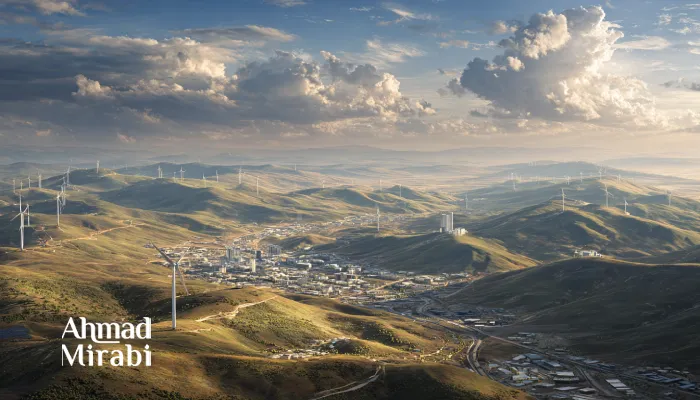
Wind potential is particularly strong in northwestern Iran and regions along the Caspian Sea and Persian Gulf. Demand for wind solutions is growing as industries and municipalities seek cleaner alternatives to fossil fuel–based power.
Investment opportunities include:
- Turbine installation and maintenance services
- Local technology partnerships
- Hybrid wind–solar systems for industrial clients
- Grid integration and engineering solutions
With proper regulatory alignment, wind energy could become one of Iran’s major green industries in the coming decade.
Supporting Technologies and Services
Beyond power generation assets, Iran has a growing need for advanced solutions such as:
- Energy forecasting software
- Smart grid technologies
- Energy storage and hybrid systems
- EPC firms specializing in green infrastructure
These segments often have lower competition and higher margins for skilled foreign companies.
Water Management and Efficiency Solutions
Demand for Water-Smart Technologies
Water scarcity is one of the most critical issues influencing Iran’s environmental agenda. Inefficient agricultural irrigation, aging municipal infrastructure, and industrial water depletion have created urgent demand for modern technologies.
High-demand investment areas include:
- Desalination technologies
- Industrial wastewater recycling systems
- Efficient irrigation and drip systems
- Smart metering and leakage detection
- Water purification solutions for rural and semi-urban communities
Industrial Applications and Upgrading Needs
Iranian industrial hubs, including petrochemical, steel, and mining sectors, require significant modernization in water consumption and treatment processes. This creates investment opportunities in:
- Zero-liquid-discharge systems
- Cooling tower efficiency solutions
- Industrial filtration technologies
- On-site wastewater treatment units
Public-Private Partnerships in Water Projects
Many large-scale water initiatives in Iran operate through long-term public–private partnerships, which provide:
- Predictable revenue models
- Shared risk distribution
- Long-term operational control for investors
Foreign companies with strong technical capacity and a proven track record are particularly well-positioned for PPP-led water projects.
Waste Management and Circular Economy Transformation
Expanding Market for Recycling and Waste Processing
Iran produces significant volumes of municipal, agricultural, and industrial waste. Modern waste management systems are underdeveloped in many regions, making foreign expertise highly valuable.
Areas with strong investment potential include:
- Advanced sorting and recycling facilities
- Plastic, polymer, and PET recycling plants
- Organic waste biogas production
- Waste-to-energy conversion facilities
- Hazardous and medical waste treatment systems
Moving Toward Circular Economy Models
While circular economy adoption in Iran is still developing, several industries—particularly construction, packaging, and consumer goods—are seeking cost-efficient recycled materials. Opportunities exist in:
- Production of recycled raw materials
- Technology transfer for reuse and repurposing models
- Industrial symbiosis initiatives between factories and waste generators
Investors entering early can gain long-term advantages as regulations tighten and environmental compliance becomes mandatory.
Clean Mobility and Transportation Modernization
Electrification of Urban Mobility
Transport is a major source of emissions in Iran. Urban mobility electrification is gaining momentum, opening opportunities for:
- Electric motorcycles and scooters
- EV charging infrastructure
- Battery production and recycling
- Fleet electrification for logistics companies
Municipal authorities in major cities are actively exploring collaborations for cleaner fleets and smarter mobility solutions.
Upgrading Public Transport Systems
Iran’s public transportation networks require modernization. Investment opportunities include:
- Electric and hybrid buses
- Smart fleet management systems
- Clean fuel technologies
- Modernization of metro and BRT infrastructures
Foreign investors with energy-efficient mobility solutions can fill significant capacity gaps.
Low-Carbon and Green Industrial Technologies
Energy Efficiency in Manufacturing
Iran’s industrial sector has historically been energy-intensive. Manufacturers across metals, mining, and petrochemicals are now seeking solutions that reduce emissions and energy costs.
High-potential segments include:
- Industrial automation and optimization software
- High-efficiency motors and boilers
- Waste-heat recovery technologies
- Low-carbon building materials
- Green cement and steel production technologies
Green Hydrogen and Future-Oriented Technologies
Although in early stages, Iran is exploring opportunities in:
- Green hydrogen production
- Fuel cell applications
- Carbon capture and utilization
These emerging sectors are suitable for long-term investors with strategic vision and technological leadership.
Digital Transformation as a Catalyst for Sustainability
Smart Infrastructure and IoT Applications
Digital technologies are becoming essential for implementing sustainability initiatives. Iran’s industries need:
- Smart energy management platforms
- IoT systems for water and waste monitoring
- Industrial automation for energy efficiency
- Data-driven sustainability auditing tools
The convergence of digital transformation and green infrastructure creates cross-sector investment opportunities.
Risks, Challenges, and Market Considerations
Regulatory Complexity
While Iran provides strong opportunities, navigating the regulatory framework requires:
- Local legal expertise
- Compliance-oriented planning
- Scenario-based risk mitigation strategies
Cultural Expectations and Partnership Dynamics
Successful market entry requires building long-term, trust-based partnerships. Investors must demonstrate:
- Commitment
- Transparency
- Consistency
- Respect for local norms
Operational and Logistical Considerations
Investors should evaluate:
- Technology localization needs
- Import procedures
- Maintenance requirements
- Talent availability
- Currency and payment mechanisms
Informed preparation significantly reduces risk exposure.
Investment Opportunity Matrix for Iran’s Green Transition
| Sector | Market Demand | Competitive Advantage Potential | Investor Attractiveness |
| Solar Energy | Very High | Strong natural resources | Excellent |
| Wind Energy | High | Growing infrastructure readiness | Strong |
| Water Management | Critical | High-tech differentiation | Excellent |
| Waste Recycling | High | Early-entry advantage | Strong |
| Electric Mobility | Moderate but rising | Technology-based value | Good |
| Low-Carbon Industry | High | Long-term industrial partnerships | Excellent |
| Digital Green Tech | Rising | Cross-sector adoption | Strong |
Conclusion
Iran’s transition toward sustainable and green industries represents a rare alignment of national necessity, economic modernization, and technological opportunity. For global investors, the country offers a substantial and largely underpenetrated landscape with diverse entry points across renewable energy, water systems, waste processing, clean mobility, and low-carbon industrial technologies. Navigating this landscape effectively requires deep understanding of local regulations, cultural dynamics, partnership models, and long-term policy directions. Investors who enter early, localize their strategies, and adopt a partnership-oriented approach will be best positioned to benefit from Iran’s accelerating shift toward sustainability.