
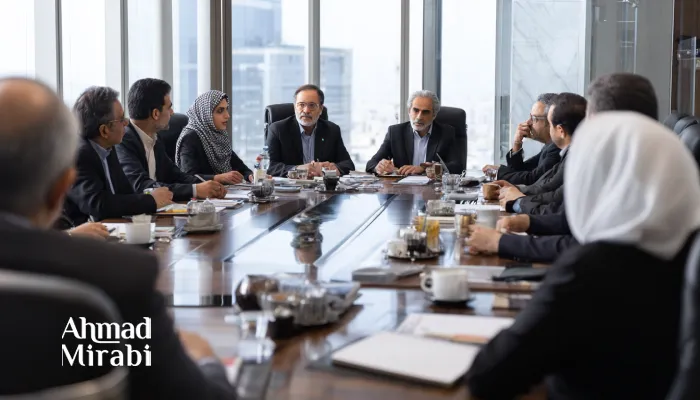
Iran’s economic landscape is undergoing a significant transformation, creating new opportunities for companies seeking high-potential locations for expansion. While Tehran remains the country’s political and commercial anchor, a rising group of regional cities is emerging as attractive investment destinations. These cities benefit from infrastructure upgrades, sector-specific incentives, expanding consumer markets, and strategic geographic advantages. For investors preparing their 2026 market-entry strategies, understanding which Iranian cities offer the strongest foundations for growth is essential. This report highlights key urban centers with the highest business expansion potential in the coming year.
Shiraz: A Rising Hub for Tourism, Healthcare, and Knowledge-Based Industries
Shiraz is positioning itself as a diversified economic center with strengths across tourism, medical services, agriculture technology, and IT. The city’s expanding airport facilities, international medical tourism appeal, and growing innovation ecosystem make it one of Iran’s most balanced and stable urban markets.
Businesses in pharmaceuticals, biotechnology, boutique hospitality, and food processing will find Shiraz particularly attractive. The local government is also supporting knowledge-based enterprises with incentives that include streamlined licensing and reduced operational costs.
Isfahan: Strong Manufacturing Base with Expanding Tech Capacity
Isfahan has long been the industrial backbone of Iran, but in recent years it has also developed a fast-growing technology and innovation district. The city offers one of the strongest talent pools in engineering, programming, and design—thanks to Isfahan University of Technology and several technical institutes.
Its diversified manufacturing ecosystem—ranging from steel and petrochemicals to textiles and machinery—creates opportunities for joint ventures, supply-chain partnerships, and technology transfer projects. Companies entering Iran in sectors such as industrial automation, smart manufacturing, and renewable energy will find Isfahan’s infrastructure particularly aligned with expansion plans.
Mashhad: A Consumer Powerhouse and Logistics Corridor
Mashhad stands out for two reasons:
its role as Iran’s second-largest consumer market and its strategic geographic position near Afghanistan and Central Asian trade routes.
With tens of millions of visitors annually, Mashhad has a booming hospitality and retail sector. Modern shopping centers, franchise-ready districts, and expanding medical facilities make the city an ideal destination for food and beverage brands, retail chains, healthcare providers, and fast-moving consumer goods companies.
Mashhad’s proximity to border crossings also strengthens its role as a logistics and export-processing hub. Warehousing, transport companies, and cross-border service providers benefit from this positioning.
Tabriz: Industrial Strength Meets Cross-Border Access
Tabriz is one of Iran’s most strategically located industrial cities, offering direct access to Turkey, Armenia, and Azerbaijan. This makes it a natural gateway for companies focused on regional export operations.
Dominant sectors include automotive manufacturing, food production, petrochemicals, and heavy machinery. With well-established industrial parks and a highly skilled workforce, Tabriz provides strong opportunities for companies entering Iran through supply-chain expansion, production partnerships, or regional trade operations.
The city’s focus on export-oriented growth makes it especially appealing for investors targeting broader regional markets beyond Iran.
Qom: Fast-Growing Service Economy with High Per-Capita Spending
Often overlooked in business analyses, Qom has one of the highest per-capita spending rates in Iran. Its unique demographic profile, dominated by domestic and international visitors, fuels strong demand for hospitality, retail, education, publishing, and cultural services.
Qom’s growing middle class and continuous urban development projects make it attractive for private clinics, education centers, franchise restaurants, and lifestyle brands. Investors who prioritize stable service-driven markets will find Qom to be an unexpectedly high-growth environment.
Ahvaz: Energy Capital with Opportunities in Modernization and Services
Located in the heart of Iran’s oil-rich Khuzestan province, Ahvaz serves as a key center for energy, logistics, and industrial contracting. While historically associated with heavy industry, the city is now experiencing demand for modernization in utilities, automation, construction services, and digital transformation.
Companies specializing in industrial technology, environmental engineering, water management, and logistics optimization will find strong opportunities in Ahvaz’s large-scale development projects. Its access to rail, road, and river transport networks further enhances its strategic value.
Kerman: Mineral Wealth and Renewable Energy Potential
Kerman is emerging as a powerhouse for mining, mineral processing, and renewable energy development. The province contains some of the world’s largest copper reserves and is investing heavily in upstream and downstream mineral industries.
At the same time, Kerman’s climate and geographic location make it ideal for solar energy projects. Local authorities are actively supporting renewable energy companies with land allocation, permits, and infrastructure. Investors in green technology, mining services, and advanced materials will find Kerman an appealing long-term growth environment.
Rasht: Agriculture Innovation Meets Northern Trade Corridors
Rasht, gateway to the Caspian Sea and a major agricultural center, is strengthening its role in food production, packaging, and agritech. Its proximity to ports like Anzali and its connection to Eurasian trade corridors create opportunities for export-oriented agribusinesses.
With rising demand for high-quality packaged foods, dairy, and aquaculture products, Rasht is an excellent entry point for companies in food processing, cold-chain logistics, agricultural machinery, and eco-tourism.
A Comparative View of High-Growth Iranian Cities in 2026
| City | Key Growth Sectors | Strategic Advantages |
| Shiraz | Tourism, healthcare, biotech, IT | Expanding airport; strong medical tourism |
| Isfahan | Manufacturing, technology, renewables | Skilled workforce; innovation districts |
| Mashhad | Retail, hospitality, logistics | Large consumer market; trade corridor |
| Tabriz | Automotive, food, heavy industry | Access to Turkey and Caucasus |
| Qom | Education, retail, cultural sectors | High per-capita spending |
| Ahvaz | Energy, construction, logistics | Transport networks; modernization needs |
| Kerman | Mining, minerals, solar energy | Largest copper reserves; renewable potential |
| Rasht | Agribusiness, packaging, trade | Access to Caspian Sea and northern routes |
Opportunity Signals for 2026 Expansion
Businesses evaluating Iran for regional expansion should pay close attention to:
- Cities with strong logistics infrastructure
- Urban centers benefiting from government-led modernization
- Regions with access to cross-border trade
- Talent-rich cities suited for technology and high-skill industries
- Tourist-heavy destinations with rising consumer spending
- Resource-based regions seeking value-added partnerships
By aligning expansion strategies with these emerging urban trends, companies can secure a stronger foothold in Iran’s evolving economy.
Frequently Asked Questions
1.Which Iranian city offers the most diversified opportunities?
Shiraz and Isfahan provide the most balanced mix of tourism, technology, and industrial growth.
2.What city is best for logistics-focused companies?
Mashhad and Tabriz stand out for regional transport access and cross-border trade.
3.Which cities offer the highest consumer spending potential?
Qom and Mashhad have strong retail and hospitality demand driven by visitor volume and local demographics.
4.Where are renewable energy opportunities strongest?
Kerman offers exceptional potential in solar energy and mineral-based industrial development.
5.What city is best for manufacturing partnerships?
Isfahan and Tabriz provide the strongest industrial ecosystems for manufacturing collaborations.
Conclusion
Iran’s economic geography is shifting toward a more distributed and opportunity-rich landscape. For companies seeking sustainable expansion in 2026, the most promising strategies involve focusing on cities that combine infrastructure readiness, sector-specific strengths, and long-term demographic or geographic advantages. Whether through direct investment, joint ventures, or supply-chain expansion, selecting the right city can significantly elevate a company’s success trajectory.
Dr. Ahmad Mirabi is a leading business and branding consultant with over two decades of experience helping entrepreneurs and organizations grow strategically. His work focuses on leadership development, brand strategy, and sustainable business transformation.